


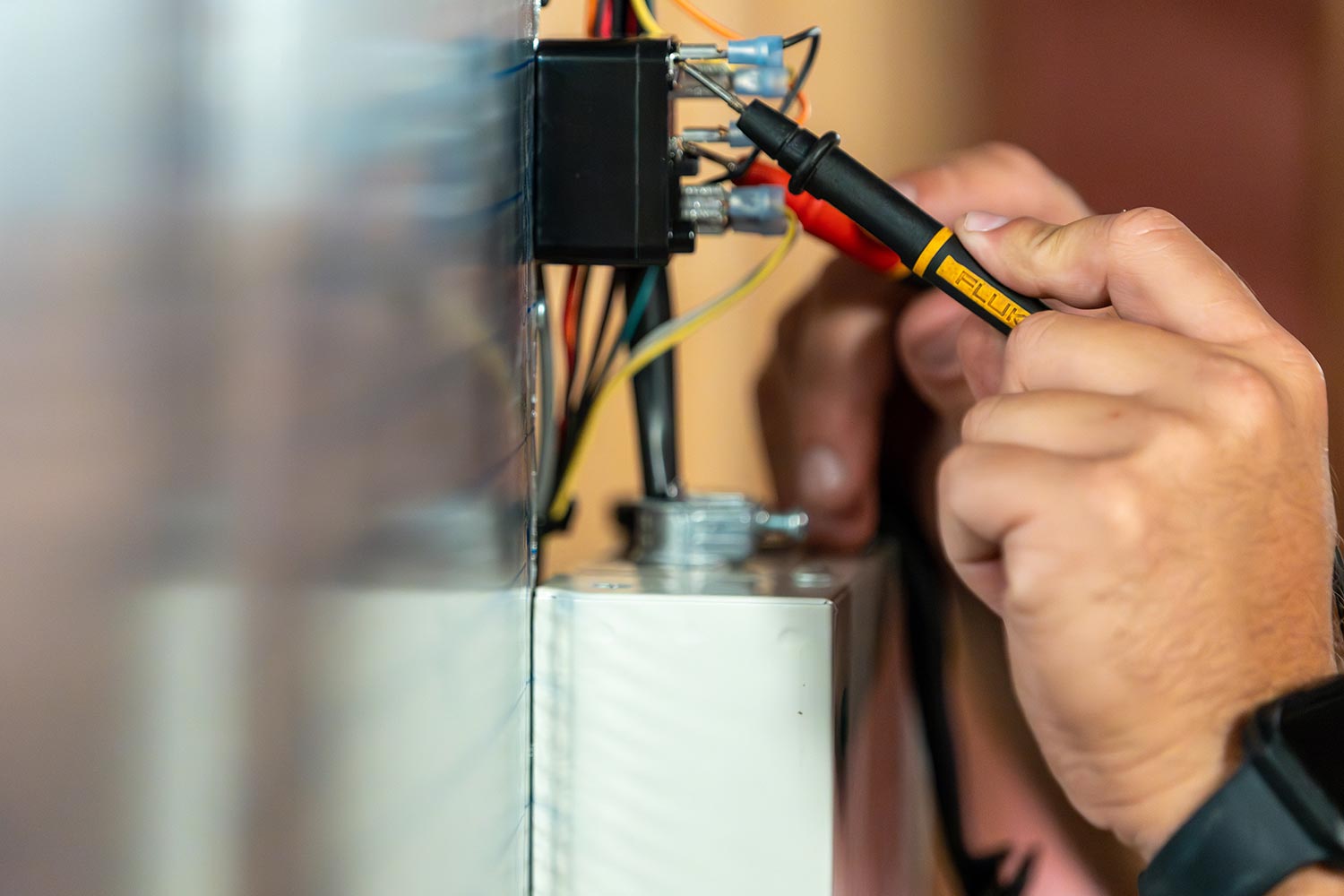
As the leaves turn and the air grows crisp, homeowners begin to think about the colder months ahead. An essential aspect of this preparation is getting your furnace ready for winter. Ensuring your furnace is in top working condition is not just about comfort but also safety and efficiency. This article will guide you through the essential steps to prepare your furnace for the winter season.
Safety Inspection
The first step is to conduct a thorough safety inspection of your furnace. This includes checking for gas leaks or any signs of damage. It’s crucial to look for unusual smells or sounds when the furnace operates. Equally important is ensuring carbon monoxide detectors are in place and functioning correctly. These detectors should be installed near sleeping areas and on every level of your home. While some aspects of the safety check can be a DIY task, having a professional inspect your furnace annually is advisable. They can identify issues that might not be obvious to the untrained eye.
Cleaning and Replacing Filters
One simplest yet most effective way to maintain your furnace is to clean or replace its filters. Dirty filters restrict airflow, reducing efficiency and potentially causing damage to the stove. Changing a filter is straightforward and usually involves removing the old filter and inserting a new one, ensuring it’s in the correct direction. Filters should be checked monthly and changed at least every three months. The type of filter you use can vary, from disposable fibreglass filters to more sustainable electrostatic ones. A clean filter improves efficiency and enhances the air quality in your home.
Checking the Thermostat
A functioning thermostat is critical to an efficient heating system. Before the cold weather sets in, test your thermostat to ensure it turns the furnace on and off as it should. This is also an opportune time to think about energy usage. Programmable thermostats can save money on heating bills by allowing you to set lower temperatures when you’re asleep. Upgrading to a smart thermostat offers even more control and efficiency, often allowing you to adjust settings remotely from a smartphone.
Inspecting and Cleaning Vents and Ducts
Blocked or leaky vents can hinder the performance of your heating system. Inspect all vents and ducts to ensure they are free of dust, debris, and obstructions. Clean ducts improve efficiency and promote better air quality by reducing the dust and allergens circulating in your home. Duct cleaning can be complex, so consider hiring a professional if your ducts weren’t cleaned a while ago.
Testing the Furnace Early
Take your time within the first cold snap to find out your furnace needs to be fixed. Test it early in the season by turning it on and monitoring its performance. Listen for unusual noises and be aware of any strange odours. If your furnace isn’t he isn’t effective or exhibits other problems; it’s Timit’s call to a professional. Early detection of issues can prevent more significant problems down the road.
Scheduling Professional Maintenance
Even if your furnace seems to be running smoothly, it’s essential to schedule regular professional maintenance. A qualified technician can perform a more thorough inspection, clean parts that are difficult to reach, and identify potential issues before they become significant problems. Professional maintenance should ideally be done annually before the heating season begins.
Preparing for Emergencies
Despite the best preparations, furnaces can break down. It’s wise to prepare for such emergencies, especially in the heart of winter. Keep the contact information of a reliable furnace repair service handy. In case your furnace fails, it’s also prudent to have an alternative heating source, such as space heaters. However, use these alternatives safely to avoid fire hazards or carbon monoxide poisoning.
Conclusion
Preparing your furnace for winter is not just a chore; it’s critical to ensure your home is safe, warm, and energy-efficient during the colder months. By conducting a safety inspection, cleaning and replacing filters, checking the thermostat, inspecting vents and ducts, testing the furnace early, and scheduling professional maintenance, you can rest easy knowing your furnace is ready for winter. Remember, proactive care is always better than reactive repairs, and a well-maintained furnace is critical to a comfortable and worry-free winter. So, take action today and ensure your furnace is prepared for the cold days ahead.
Back to Blog